1. Introduction
Sturgeon aquaculture has expanded
significantly to support the restoration of wild populations, the preservation
of genetic diversity, and meeting market demand for delicacy products. Among
the commercially valuable sturgeons, the Russian sturgeon (Acipenser
gueldenstaedtii) is critically vital due to its role in the black caviar
industry,[1,2] recognized for its high-quality
caviar and lean meat yet is classified as Critically Endangered on the IUCN Red
List, making the development of reliable aquaculture biotechnologies
imperative.[3]
A
significant issue in sturgeon larviculture is the elevated mortality rate
during the shift from endogenous to exogenous feeding, as their natural
euryphagous diet, consisting of diverse benthic invertebrates, is challenging
to reproduce in captivity.[4,5] During
the early larval stage of sturgeon, there is a critical phase when the quality
of their nutrition becomes essential due to their rapid growth, high metabolic
needs, and underdeveloped digestive systems. This vulnerability arises from an
underdeveloped digestive system, whereby immature pancreatic and intestinal
functions require dietary enzymes sourced from live prey.[6,7]
Artemia nauplii (Artemia Leach, 1819) are a
standard live feed in sturgeon larviculture owing to their appropriate size,
mobility, and high digestibility.[8,9] For sturgeon, live feed is typically supplied until fry reaches
1-2 g.[10] However, the natural nutritional
profile of Artemia is often insufficient to fully meet the physiological
requirements of sturgeon larvae, lacking optimal amino acid composition,
sufficient dietary energy density, and specific bioactive compounds required
for muscle development and metabolic regulation.[11,12]
To overcome
these deficiencies, bioencapsulation (enrichment), the process of feeding
nutrient-rich supplements to Artemia nauplii prior to their use as feed,
is a common strategy to overcome these limitations. This method aims to improve
the survival and growth of larvae. However, outcomes can be inconsistent. For
instance, Iranian scientists revealed that bioencapsulation provided only a
marginal survival advantage (5%) and no significant growth enhancement for
Persian sturgeon (Acipenser persicus) larvae,[13] highlighting the need for more
effective enrichment protocols.
In
recent years, there has been a heightened focus on enhancing compound feeds in
aquaculture through the addition of natural biologically active compounds.[14] Microalgae have emerged as a
promising resource as a functional bioactive supplement in animal feeds.[15,16] As the costs of fish feeds rise,
incorporating microalgal biomass into aquafeeds presents a strategic method to
mitigate aquaculture production expenses. The nutritional profile of microalgal
biomass, which includes essential amino acids, polyunsaturated fatty acids,
vitamins, and antioxidants, plays a critical role in the growth, and metabolic
regulation of larvae.[17-20] This approach aims to find an optimal
balance between feed quality and economic efficiency, prompting producers to
innovate feed formulations and enhance feeding management techniques.[21] Furthermore, integrating
microalgae into Artemia bioencapsulation processes may improve the
nutritional value of live feed while promoting sustainability and
cost-effectiveness, offering a superior solution to address nutritional
challenges faced during the early developmental stages of sturgeon larvae.[22,23]
Among the diverse microalgal taxa investigated to
date, Spirulina platensis (syn. Arthrospira) occupies a
distinctive position. This phototrophic, filamentous cyanobacterium is composed
of multicellular helical trichomes and is classified within the Cyanophyceae.[24] Its biomass contains an
unusually rich ensemble of minerals, vitamins, carotenoids, tocopherols,
phenolic acids, and high-quality proteins. Such biochemical abundance forms the
basis for a wide spectrum of biological activities, and Spirulina has
long been incorporated as a dietary supplement in both human nutrition and
animal husbandry.[25] Naturally, the organism thrives in alkaline, saline lakes of
subtropical and tropical regions across the Americas, Mexico, Asia, and Central
Africa, where environmental pressures appear to shape its metabolic diversity.[26]
A considerable body of research attributes to Spirulina
platensis—and particularly to its hallmark pigment–protein complex,
C-phycocyanin—a broad array of physiological effects, including antioxidant,
anti-diabetic, antihypertensive, antiviral, immunomodulatory, hepatoprotective,
renoprotective, neuroprotective,
and antigenotoxic actions.[27] Some clinical and preclinical observations
support these functional claims. Experimental studies on animal models[28] indicate that Spirulina supplementation
significantly reduces liver oxidative stress, decreases lipid peroxidation,
normalizes antioxidant enzyme activities, and suppresses pro-inflammatory
mediators. Specifically, Spirulina and isolated phycocyanin have been found to
lower mitochondrial reactive oxygen species production in liver and immune
cells, thus alleviating inflammation-related liver damage and slowing chronic
liver disease progression.
The cyanobacterium Arthrospira
platensis (Spirulina) is a promising enrichment agent due to its high
protein content, balanced amino acids, and abundance of micronutrients and
antioxidants. This profile aligns with the specific demands of sturgeon larvae
for substrates that support rapid somatic growth and myogenesis. Furthermore,
evidence[29] suggests that the inclusion of
microalgae, such as Tetraselmis sp. in Artemia diets can
positively influence the gut microbiome of nauplii, leading to increased bacterial
diversity and a reduction in harmful bacteria. The secondary benefit of
enrichment, specifically enhanced live feed health and stability, necessitates
further investigation in conjunction with direct nutritional enhancement.
Despite the increasing interest in
Spirulina-based feed additives, most research has concentrated on generic,
commercially available strains rather than exploring novel, region-specific
variants. The biochemical profile and functional properties of cyanobacteria,
including Arthrospira, are susceptible to variations based on their
geographic origins and environmental conditions, leading to differences in
their nutrient profiles. This indicates that specific strains of Arthrospira
may offer unique metabolic advantages and higher levels of beneficial
compounds. However, the potential use of these distinctive, region-adapted
strains for the bioencapsulation of Artemia in sturgeon larviculture has
been insufficiently explored, highlighting a gap in current aquaculture
research that warrants further investigation.
To address a knowledge gap in biotechnology, a novel cyanobacterial
strain, Arthrospira platensis ZTS-2024, was isolated from the
Balkhash–Alakol Basin in southeastern Kazakhstan, indicating its potential as a
local biological resource. The research focused on using this strain as an
enrichment agent for Artemia parthenogenetica nauplii and its effects on
the early development of Russian sturgeon. The objectives included: (i)
characterizing the productivity and biochemical composition of Arthrospira
platensis ZTS-2024; (ii) assessing its effects on the survival and growth
of Artemia nauplii; (iii) analyzing the influence of enriched Artemia
on juvenile Russian sturgeon's growth and muscle tissue composition; and (iv)
conducting histological analyses of sturgeon muscle tissue for morphological
differences related to the dietary treatment.
2. Materials and methods
2.1 Cultivation of the cyanobacteria
strain Arthrospira platensis ZTS-2024
The cyanobacterium strain Arthrospira
platensis ZTS-2024, used in this study, was obtained from the collection of
phototrophic microorganisms at the department of biotechnology of Al-Farabi
Kazakh National University. It was originally isolated from the saline
southeastern region of Balkhash Lake (Lepsinsky district, Zhetysu region,
Kazakhstan), where water temperature is 24-29 оС, pH
7.0-9.0 during summer. The Arthrospira platensis ZTS-2024 strain was
chosen based on its growth rate, biomass accumulation, and capacity to accrue
proteins, lipids, carbohydrates, and pigments. It is a filamentous,
multicellular organism. The trichomes consist of vegetative cells and possess a
helical structure, without a sheath.
The first stage of the experiment involved the preparation
of a suspension of the cyanobacterium Arthrospira platensis ZTS-2024,
conducted in the laboratory of “ALGABIOTECH” at the international research
center of Al-Farabi Kazakh National University. The strain was cultivated in
Zarrouk's medium. Pre-cultures were cultivated in sterilized glass flasks
(100–500 mL) at 28–30 °C under continuous illumination (50–200 μmol
photons m–2 s–1) from fluorescent lamps. Culture purity
was assessed microscopically after 4–7 days. The development and purity of the
culture were microscopically assessed using immersion oil at a 100x
magnification. For large-scale biomass production, a laboratory photobioreactor
was used under the same temperature and light regime. The increase in biomass
was evaluated by measuring the variation in optical density of the suspension
at a wavelength of 750 nm with an SF-2000 spectrophotometer. The harvested
biomass was used for biochemical analysis and Artemia enrichment.
2.2 Analysis of the biochemical
composition of the obtained cyanobacterial biomass Arthrospira platensis
ZТS-2024
1. Protein determination — modified Lowry method[30]
2. Carbohydrate determination — Dubois method[31]
3. Lipid determination — Bligh and Dyer method[32]
2.3 Cultivation and enrichment of Artemia
nauplii from populations of Artemia sp.
The enrichment experiment was
conducted at the aquarium laboratory of the “KKH KOLLAR” fish farm (Almaty
Region, Kazakhstan) to enrich Artemia sp. nauplii with the
cyanobacterium Arthrospira platensis ZTS-2024 for subsequent feeding of
sturgeon larvae. Cysts were collected from the South Aral Sea (Kazakhstan) and
incubated following standard methodology.[33]
The experiment followed a replicated parallel-group design.
Two experimental treatments were established: a control group fed unenriched Artemia
nauplii and an experimental group fed Artemia nauplii enriched with Arthrospira
platensis ZTS-2024. Each treatment was conducted in three independent
replicates. Each replicate consisted of 150 larvae at the start of the
experiment. Growth and survival assessments were performed on randomly sampled
subsets of 40–50 individuals per replicate at each measurement point. A key
prerequisite for achieving stable results is the maintenance of environmental
conditions that closely approximate the organism’s natural habitat, together
with strict control of sanitary parameters throughout the cultivation process.
When Artemia nauplii are used as live feed, a significant risk arises
from the transmission of pathogenic microflora associated with residual egg shells
remaining in the culture medium. To mitigate this risk, two effective measures
were applied: optimization of Artemia population density and the timely
removal of dead and empty cyst shells using flotation techniques.
The selection of the two Arthrospira platensis ZTS-2024 enrichment
concentrations was based on a two-step bioencapsulation strategy. The removal
of shells and unhatched cysts, as well as the primary enrichment process, was
carried out over a one-hour period (at a 25-hour naupliar age) in water
maintained at +28 °C with continuous aeration. A higher initial concentration
(0.9 g·dm–3) was applied to ensure rapid ingestion and effective gut
loading of Arthrospira biomass by Artemia nauplii during the
initial enrichment phase. A further enrichment was conducted[33,34] after 6 hours using Arthrospira
platensis ZTS-2024 at a concentration of 0.12 g/dm3, while
preventing excessive particle aggregation, deterioration of water quality, and
stress-related mortality of nauplii. The average water conditions during the
experiment were a dissolved oxygen level of 6.0–7.0 mg/dm3
(controlled with EHEIM-100 compressors) and a water temperature of +17 °C.
Temperature and dissolved oxygen concentrations were monitored hourly using a
portable measuring device (USA). A full chemical water analysis was done with
standard methodologies.[35]
This approach allows efficient nutrient incorporation while maintaining high Artemia
survival. After 12 hours of bioencapsulation, nauplii survival exceeded 96%,
and their size increased by 30%.
The feeding frequency of 20–24 times per day during the
earliest larval stages was intentionally applied to mimic near-continuous
natural feeding conditions and to compensate for the limited stomach capacity
and rapid gut evacuation characteristic of newly hatched sturgeon larvae. At
this stage, larvae exhibit an underdeveloped digestive system and rely on
frequent small feed portions to ensure continuous nutrient availability and
efficient digestion. Similar high-frequency feeding regimes have been reported
as effective in early sturgeon and marine fish larviculture, where continuous
or semi-continuous live feed supply significantly improves survival and growth
rates. As larval body mass increased and digestive capacity improved, feeding
frequency was gradually reduced to 10–12 times per day.
2.4 Hydro-chemical parameters of aquarium
water (juvenile Russian sturgeon)
Water characteristics are
temperature: 21 °C; dissolved oxygen: 7.0g/L; pH: 7.5; NH3: 5±7g/L;
NHO2: 0.01±0.004g/L. The experiment lasted 10 weeks and involved
three repetitions. The weight gain of nauplius and juvenile sturgeon was
calculated using the formulas:
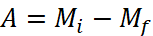
1. Total weight gain (A):
 - initial mass (g)
 - final mass (g)
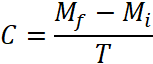
2. Average daily growth (C):
 - duration of the experiment
(days).
3. Relative gain:
2.5 Analysis of the biochemical
composition of Artemia nauplii
The following biochemical
parameters were assessed: dry matter content, ash, protein (without
mineralization), free amino acids, lipids, and carbohydrates according to AOAC methods.[36] The dry matter was estimated using the
gravimetric method after drying at 105 °С, and the ash at 500 °С.
The Biuret method[37] was used to examine protein
concentration in samples in an alkaline extract without mineralization. Protein concentration in the samples was
determined by a spectrophotometric method after alkaline extraction, using a
calibration curve constructed with bovine serum albumin as the standard,
following the general procedures described for protein analysis.[38] The Bertrand method[39] was used for quantitative determination
of glucose in an extract. The matter of lipids was measured using the
extraction-weight method, which involved a binary mixture of chloroform and
methanol in a 2:1 ratio.[40]
Proximate composition analysis of Artemia nauplii
and fish muscle tissue included the determination of moisture, dry matter, ash
and organic matter, as well as protein, lipid and carbohydrate contents.[41] Moisture-related parameters were
expressed as a percentage of wet weight, while protein, lipid and carbohydrate
contents were expressed as a percentage of dry weight. All measurements were
performed in triplicate and results are presented as mean ± standard deviation.
2.6 Analysis of the biochemical
composition of the trunk muscles of juvenile Russian sturgeon
The effectiveness of the feed used
was assessed by the chemical composition of muscle tissue from the tail stalk
of fish (total protein content without mineralization of samples by biuret
reaction, determination of glucose in muscle tissue extracts via the Bertrand
method, total lipids determined by accelerated solvent extraction followed by
the gravimetric analysis method[42] suggested by FAO mannual.
The biochemical analysis[43] was limited to proximate composition (protein, lipid, and
carbohydrate), while detailed fatty acid profiling (DHA, EPA, ARA) and amino
acid composition, emphasized as nutritionally important for aquaculture species[44] were not evaluated due to methodological
and instrumental limitations. These analyses are planned for future studies to
provide a more complete characterization of the nutritional value of enriched Artemia
and fish tissues.
2.7 Histological analysis of trunk muscle
tissue of sturgeon
For histological examination, 10
experimental and 10 control subjects were selected, which were previously
immobilized. The trunk muscle samples were fixed in 10% neutral formalin for 24
hours. Sections with a thickness of 5μm were obtained using a rotary
microtome (Kalstein, France). Staining was performed with hematoxylin and eosin
(H&E) based on methodology. Microscopic analysis utilized a Leica DM 600
microscope (Leica c-Reichert, Germany), and micrographs were obtained using IS
Capture software (Ambala Cantt, India).
2.8 Statistical analysis
All quantitative data are
presented as mean ± SD. Normality of data distribution was assessed using the
Shapiro–Wilk test, and homogeneity of variances was evaluated using Levene’s
test. When assumptions of normality and homoscedasticity were met, differences
between the control and experimental groups at individual time points were
analyzed using an independent-samples Student’s t-test. If these assumptions
were violated, the non-parametric Mann–Whitney U test was applied.
For time-dependent growth measurements (daily
observations), temporal changes in growth parameters between groups were
primarily evaluated using pairwise comparisons at corresponding time points.
Differences were considered statistically significant at p < 0.05.
3. Results and discussion
3.1 Study of productivity and biochemical
composition of cyanobacterium strain Arthrospira platensis ZTS-2024
To use cyanobacteria in
biotechnology, screening producer strains is necessary. The productivity of a
species primarily determines its potential for use in biotechnology. The most
important productivity indicators for phototrophic microorganisms include growth
rate, photosynthetic activity, and dry biomass yield. Therefore, the
cyanobacterial strain Arthrospira platensis ZTS-2024 was screened for
productivity. The maximum dry biomass of Arthrospira platensis ZTS-2024
was 3.85 g/L, indicating a relatively high growth rate. The measured biomass
yield of 3.85 g/L at 30 °C indicated the highest productivity under the tested
conditions (Fig. 1).
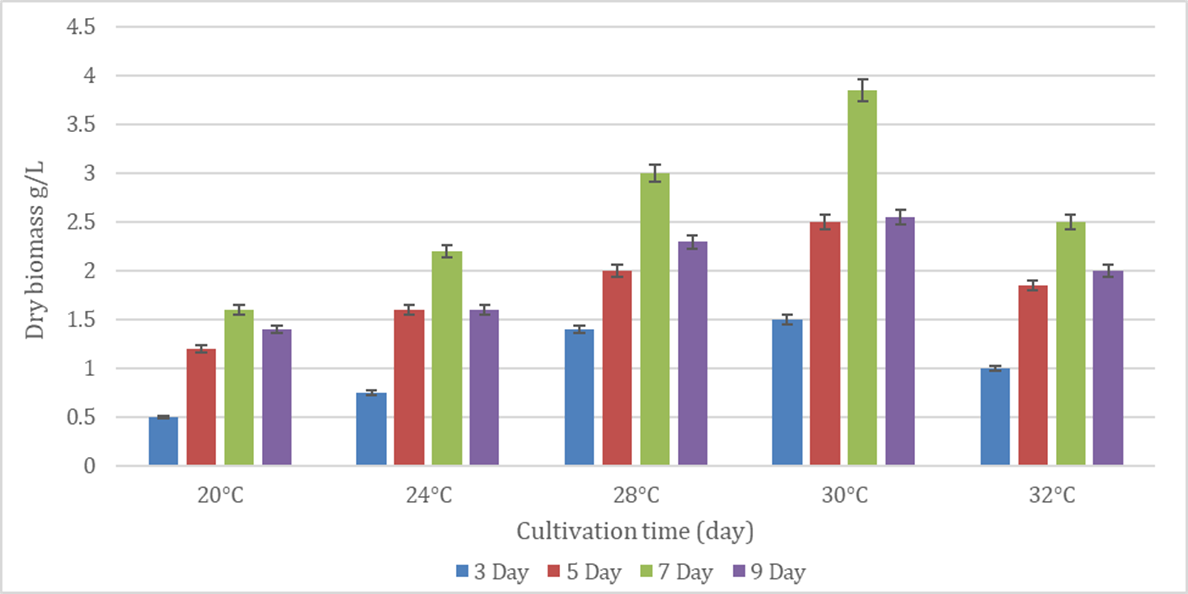
Fig. 1: Dry biomass accumulation of Arthrospira
platensis ZTS-2024 during cultivation at different temperatures.
Generally, cyanobacteria primarily
consist of proteins, lipids, and carbohydrates, which collectively account for
50–70% of their dry weight.[44]
These compounds are critical for cellular growth, development, repair, and
functionality. Data on Arthrospira platensis ZТS-2024 were
compared with literature sources (Table 1).
A recent study by Senila[45]
demonstrated that the protein content was 46.7%. The elevated protein content
of Arthrospira platensis ZTS-2024 enables its use as an
alternative or supplement to fishmeal, which is among the costliest components
of feed. The cyanobacterium Arthrospira platensis ZTS-2024 has the
potential to lower feed costs and enhance the sustainability of aquaculture
production.[46] The carbohydrate content in Arthrospira
platensis ZTS-2024 (12.5 ± 1.5%) was higher than in the study by
Méndez-Ancca.[47] The quality and quantity of dietary lipids are crucial for
the normal development of fish.[48] The
lipid content of Arthrospira platensis ZTS-2024 (16%) in our
experimental investigation was higher than the values reported and equivalent
to the findings.
Table 1: Comparison
of the biochemical composition of Arthrospira platensis ZTS-2024 biomass
with literature data.
|
Biochemical metrics
|
Arthrospira platensis
|
Spirulina platensis by Méndez-Ancca[47]
|
Spirulina platensis by Senila[45]
|
|
Protein (%)
|
49.0 ± 1.7
|
52.0 ± 1.3
|
28.18 ± 0.33
|
|
Lipid (%)
|
16 ± 1.9
|
17 ± 1.4
|
0.71 ± 0.02
|
|
Carbohydrates (%)
|
12.08 ± 0.5
|
12.5 ± 1.5
|
62.07 ± 0.69
|
Note: Comparative biochemical composition (%
dry weight) of Arthrospira (Spirulina) platensis in the present study
and in selected literature sources.
In the present study, the biochemical composition of Arthrospira
platensis was characterized by a high protein content (49.0 ± 1.7%), along
with relatively balanced levels of lipids (16.0 ± 1.9%) and carbohydrates
(12.08 ± 0.5%). These values are in agreement with the data reported for Spirulina
platensis by Méndez-Ancca.[47] In
contrast, the data reported by Senila[45] indicate a markedly lower protein and
lipid content and a substantially higher proportion of carbohydrates in Spirulina
platensis biomass (Table
1).
Such differences reflect variability associated with
strain-specific characteristics, culture conditions, and feeding regimes.
Overall, the obtained results confirm the potential of Arthrospira platensis
as a high-protein and energetically valuable biomass source.
3.2 Effect of Arthrospira platensis
ZTS-2024 on the growth parameters of Artemia nauplii
The ratio of the dry weight of the cysts to the wet biomass of the
nauplii was 1:2.5, which shows that the cysts are of high quality. Histological
sections of the cysts reveal the structural organization, consisting of an
outer cuticular membrane, an inner cortical membrane, and a spongy chitinous
envelope (Fig. 2A). The embryos, encased in a
delicate membrane, began to emerge at a water temperature of 28 °C, which
occurred 16-20 hours after incubation began, marking the beginning of the
“umbrella stage” (Fig.
2B). When hydrated,
the dark-pigmented outside envelope helps the cyst float on water and
stimulates embryonic development. After 12 hours of enrichment, survival was
significantly higher (p < 0.05) in the Arthrospira-enriched group
compared to the control, which experienced a 10% mortality. The stage II
nauplius of Artemia formed 36 hours after hatching from the cyst. At
this stage, the nauplius exhibits active locomotion, with thoracic appendages
and antennae undergoing development. The yolk sac is completely depleted, and
the organism transitions to exogenous feeding, entering an active feeding phase
(Fig. 2C).
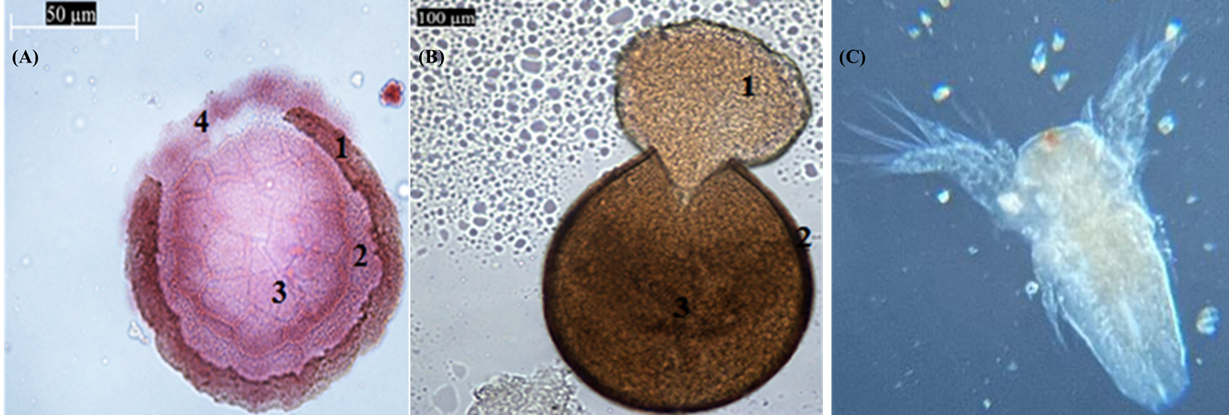
Fig. 2: (A) micrograph of a histological section of a cyst. 1-
outer cuticular membrane; 2- cortical membrane; 3- chitinous envelope; 4- site
of envelope rupture. Staining: Hematoxylin and Eosin (H&E). Magnification:
×40. (B) micrograph of the exit of an Artemia embryo from a cyst. 1-
embryonic mass; 2- outer dark-pigmented envelope. Scale bar = 100µm. (C) Artemia
nauplius.
No differences in body length were
observed between the control and experimental groups during days 0–1 (0.40–0.50
mm). From day 2 onward, the linear growth rate in the experimental group was
higher than in the control group (0.70 mm vs. 0.63 mm). By day 8, body length
reached 1.47 mm in the experimental group compared with 1.26 mm in the control
group (Fig. 3). Overall, experimental feeding
increased the linear growth of Artemia nauplii by approximately 17%.
During days 0–1, the body weight of Artemia
metanauplii did not differ between the control and experimental groups (0.009
g). From day 2 onward, a greater increase in body weight was observed in the
experimental group compared with the control group. By day 8, the body weight
of the experimental group reached 0.050 g, exceeding that of the control group
(0.039 g) (Fig. 4). Overall, the experimental
conditions increased body weight accumulation in Artemia metanauplii
by approximately 28%.
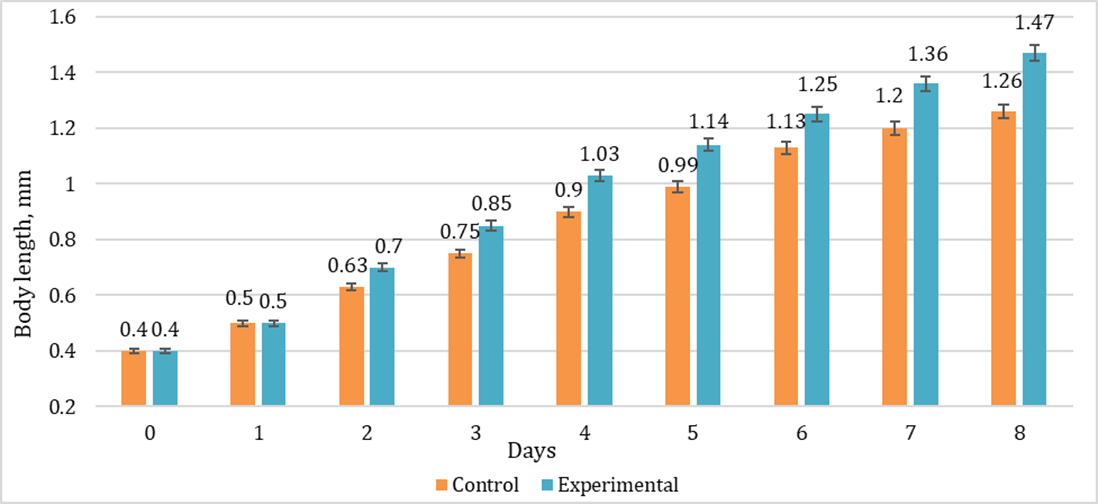
Fig. 3: Linear growth (body length, mm) of Artemia
nauplii in the control and experimental groups over 8 days (mean ± SD, n = 40).
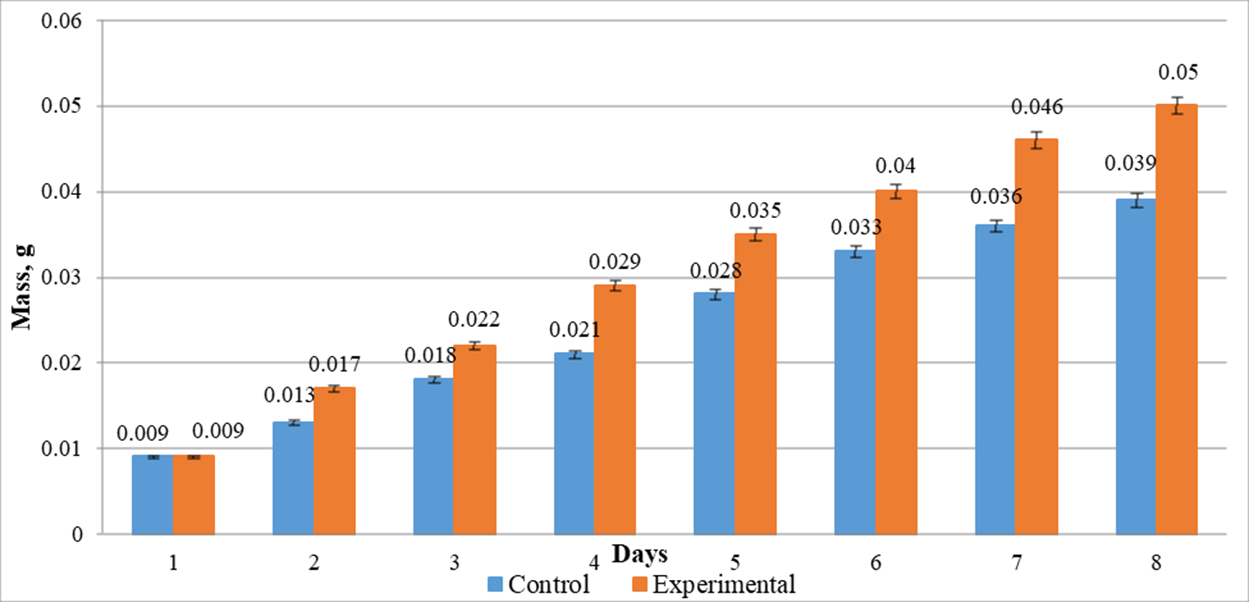
Fig. 4: Body weight parameters of Artemia metanauplii in the
control and experimental groups after 8 days of rearing. (g; mean ± SD, n =
40).
The present study shows higher
mean body weight of Artemia metanauplii in the experimental group
compared with the control group, resulting in a relative growth of 28.2% (Table 2).
Table 2: Body weight and relative growth of Artemia
metanauplii in the control and experimental groups after 8 days of rearing.
|
Source
|
Control (g)
|
Experimental (g)
|
Relative growth (%)
|
|
The present study
|
0.039
|
0.050
|
28.2
|
|
Published literature
|
0.038 – 0.045
|
0.045 – 0.052
|
15 – 25
|
These values slightly exceed the
ranges reported in published literature, where relative growth typically varies
between 15 and 25% under comparable rearing conditions (Table 2). The literature ranges summarize data
from previous studies and reflect variability associated with differences in
feeding regimes and culture conditions.
3.3 Biochemical composition of Artemia nauplii:
protein, carbohydrate, and lipid content
Enrichment with A. platensis
ZTS-2024 significantly altered the biochemical composition of Artemia nauplii.[49] Artemia is a rich protein source (40%), and its
amino acid composition determines the nutritional value of the crustacean.
Several authors have studied the content of free amino acids depending on the
stage of development of the crustacean, noting a stable increase in their
concentration because of autolytic proteolysis.[50] Clegg and Conte conducted a qualitative
analysis of carbohydrates isolated from Artemia cysts and found that 98%
was trehalose disaccharide, and its content decreased during hatching.[51] In addition, Clegg and Campagna suggest
that trehalose ensures the resistance of animal cells to dehydration.[52] Various sources describe the primary
importance of lipids for current metabolic processes as an energy reserve,
which plays an important role in biochemical reactions when the body exits the
state of hydrobiosis.
Water, together with dissolved
organic and mineral substances, constitutes the medium in which the main
biochemical processes of the organism occur. A substantial proportion of water
is associated with protein structures, ensuring the stability of protein
molecules and their colloidal state, whereas free water forms part of
biological fluids. Consequently, an increase in moisture content may be
accompanied by a relative decrease in the proportions of dry matter, ash, and
lipids.
As shown in Fig. 5, the moisture content of Artemia
nauplii in the experimental group was higher than that in the control group
(80.59% and 72.89%, respectively). In contrast, the control group exhibited
higher proportions of dry matter, ash, and organic matter. These differences
are critical indicators of nutrient density, suggesting that the enrichment
protocol altered the prey's biochemical profile.
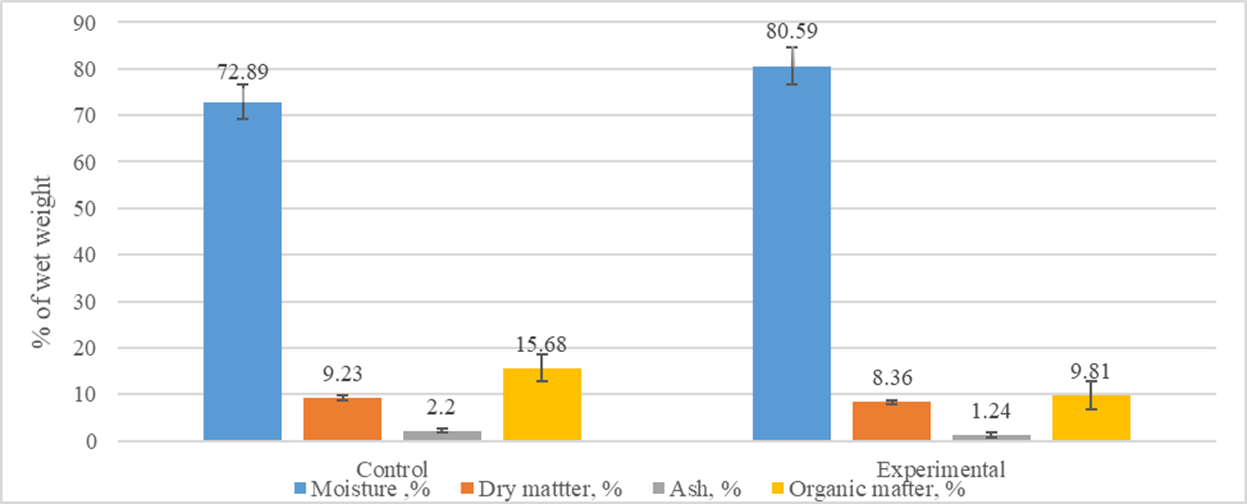
Fig. 5: Moisture, dry matter, ash and organic
matter contents in Artemia nauplii of the control group (% of wet
weight).
The graph presents the main
biochemical composition of Artemia biomass in the control and
experimental groups (% of dry weight). Protein content was higher in the
experimental group than in the control (15.05% vs. 12.35%), indicating an
improvement in nutritional value (Fig. 6). Overall, the experimental treatment
favorably modified the biochemical profile of Artemia biomass,
characterized by enhanced protein accumulation and reduced proportions of
carbohydrates and lipids.
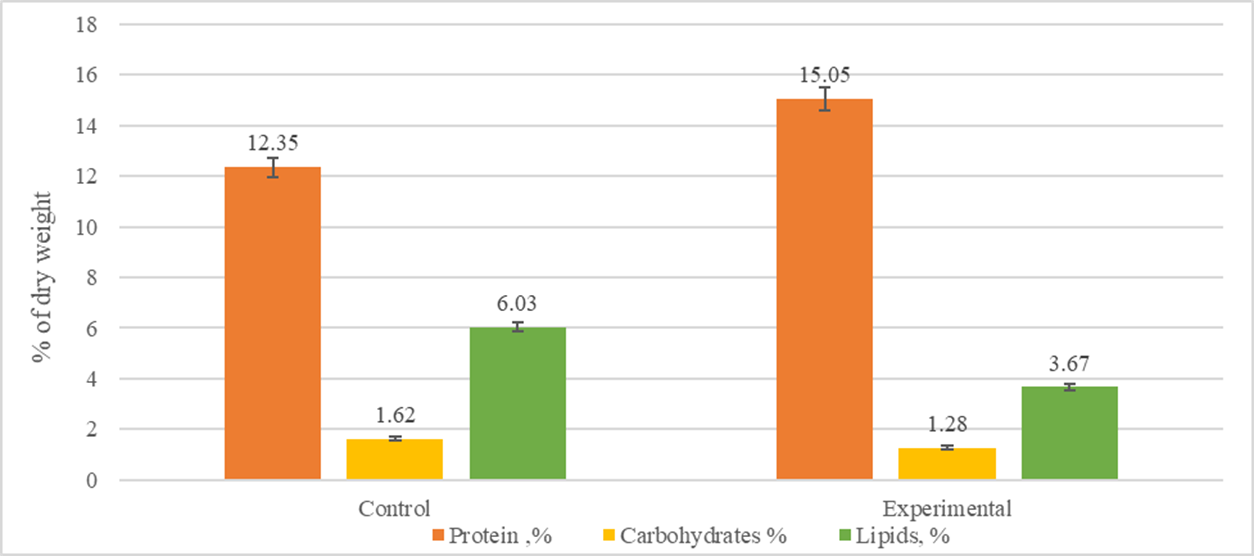
Fig. 6: The biochemical composition of Artemia biomass
in the control and experimental groups (% of dry weight).
3.4 Effect of enriched Artemia nauplii
on the growth of sturgeon larvae
The research focused on juvenile
Russian sturgeon (Acipenser gueldenstaedtii Brandt, 1833), which had an
average weight of 0.5g. The experimental group was given Artemia nauplii
enriched with the spirulina Arthrospira platensis ZTS-2024, whereas the
control group was fed unenriched nauplii. Feeding rates were adjusted based on
observed consumption and standard larval rearing protocols for sturgeons. On
the first day, the sturgeon fry's live feed did not surpass 20% of their body
mass; consequently, the daily diet was raised to 50%. Significant differences
in weight gain first became apparent on day 4-5 of the feeding trial. Feeding
occurred 20 to 24 times daily at 100% live feed volume until the larva mass
reached 60 mg. Following this, it dropped to 10–12 times per day with an
increase in feed volume up to 8 times. Fig. 7 displays the growth trends of sturgeon
larvae in experimental and control groups over a 10-day period. Before feeding
on the 10th day of the experiment, fish were caught and weighed. From each
group, 40 to 50 species were weighed.
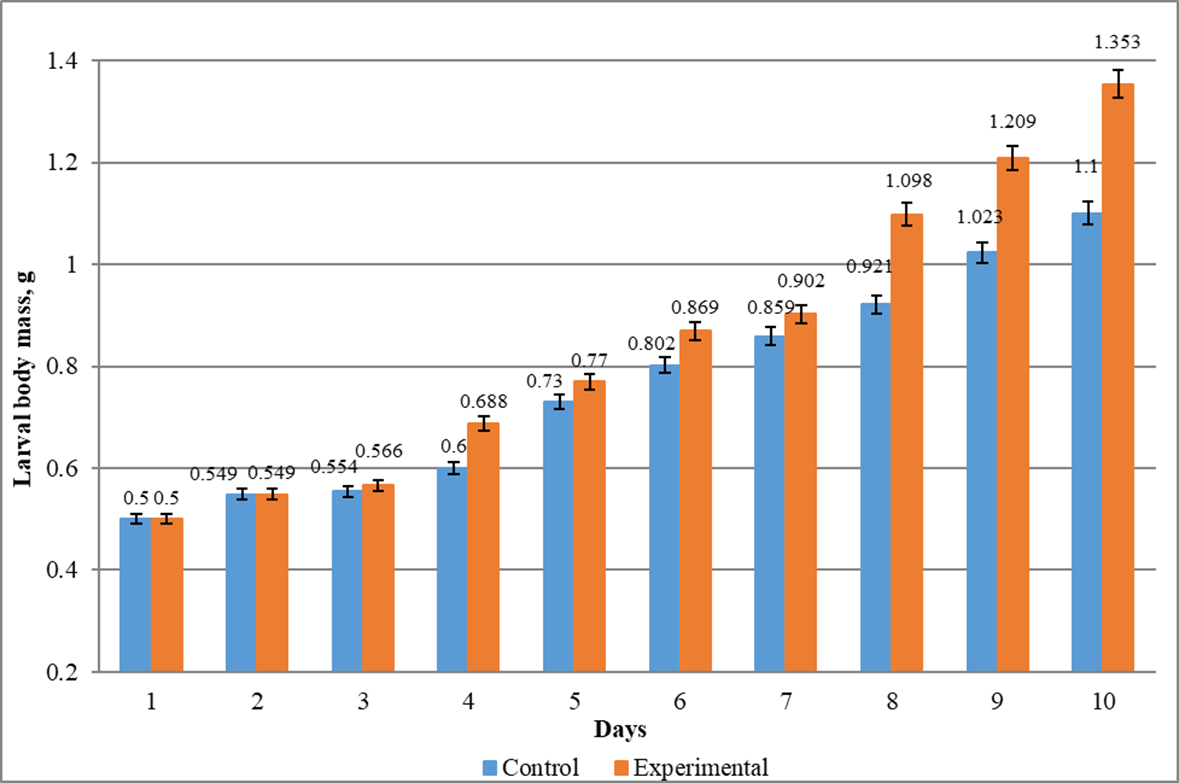
Fig. 7: Growth dynamics of sturgeon larvae in the
control and experimental groups during a 10-day rearing period (mean ± SD, n =
40).
At the end of the experimental
period, the final body weight of sturgeon larvae reached 1.10 g in the control
group and 1.353g in the enriched-feed group. Based on the growth dynamics, the
average daily gain (ADG) was approximately 0.06 g·day⁻¹ in the control
group and about 0.085 g·day⁻¹ in larvae fed live enriched feed (Fig. 7).
The graph shows the biochemical
composition of Artemia biomass in the control and experimental groups (%
of dry weight). The proportion of protein was markedly higher in the
experimental group than in the control (15.83% vs. 13.36%) (Fig. 8). In contrast, carbohydrate content
decreased in the experimental group to 0.30%, compared with 0.78% in the
control (Fig. 8).
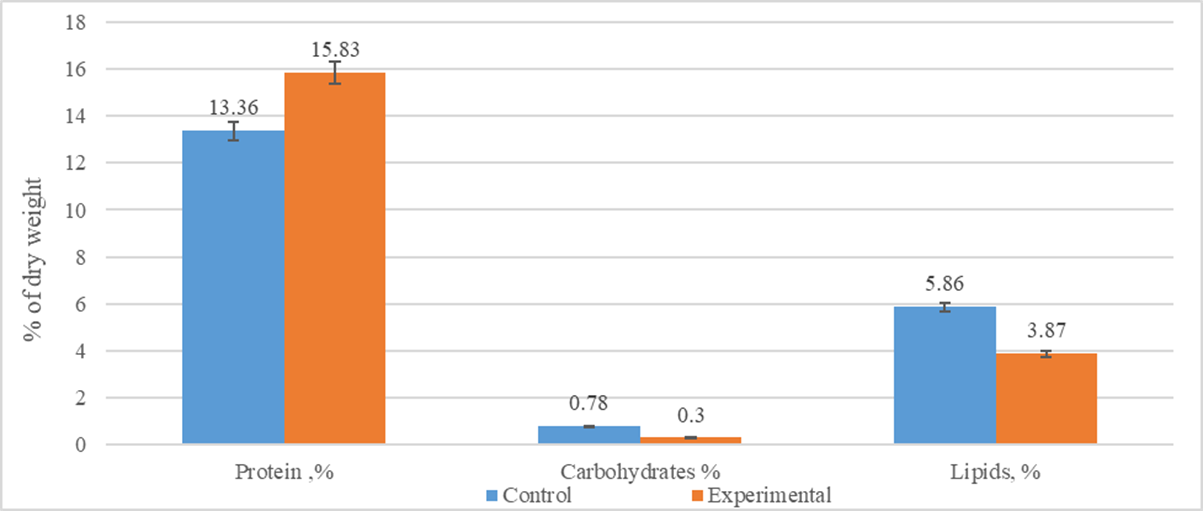
Fig. 8: Comparison of the biochemical composition of muscle tissue
in control and experimental sturgeon groups (% of wet weight).
Lipid content was also reduced in
the experimental group (3.87%) relative to the control (5.86%) (Fig. 8). Overall, experimental feeding shifted
the biochemical profile of Artemia biomass toward a protein-enriched
composition, accompanied by a relative reduction in carbohydrate and lipid
fractions.
3.5 Influence on fish muscle morphology
Histological structure of muscle
tissue in juvenile Russian sturgeon (Acipenser gueldenstaedtii) Fig. 9. Control group showing disrupted muscle
fiber organization, sarcolemma damage, and separation of myofibrils (Fig. 9.
A, B). Experimental
group fed Artemia nauplii enriched with Arthrospira platensis
ZTS-2024, showing well-organized muscle fibers with clear longitudinal
striation and peripherally located nuclei (Fig. 9. C, D).
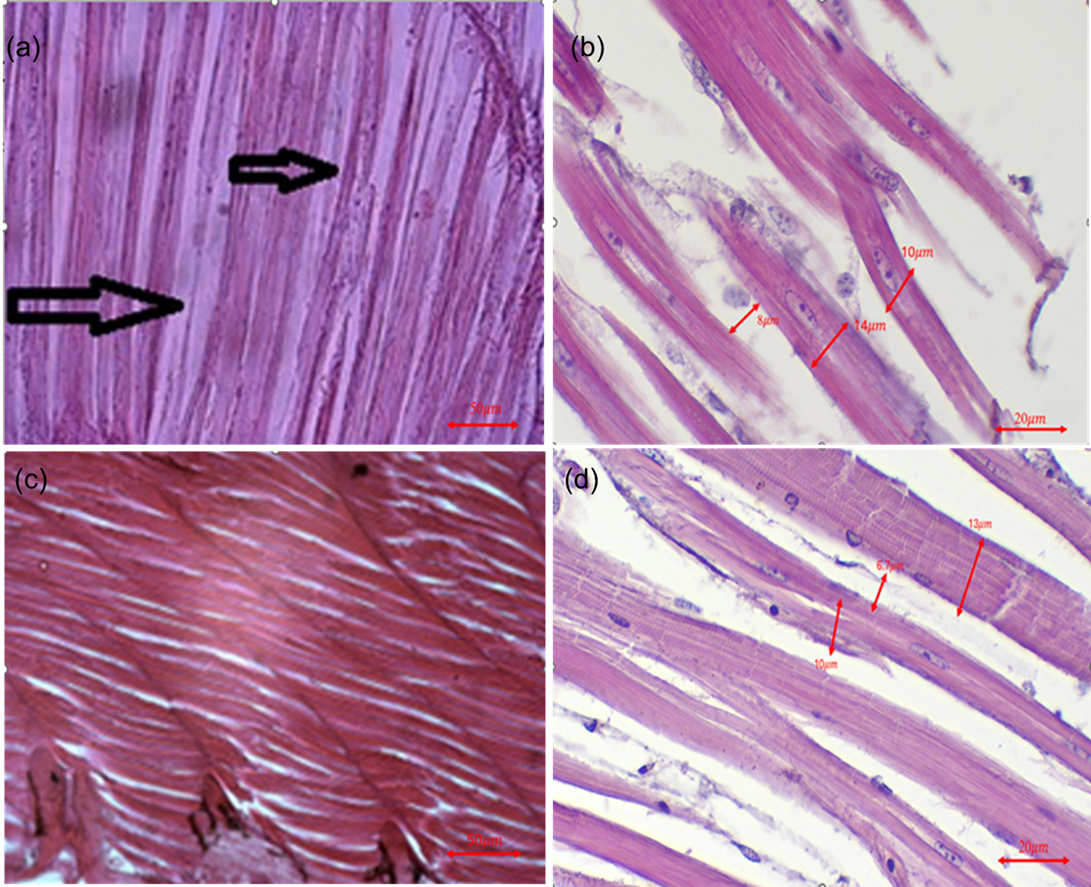
Fig. 9: Microstructure of the muscle tissue in
juvenile sturgeon A. gueldenstaedtii. (A, B) Control group. А –
cavities resulting from sarcoplasmic lysis; magnification: ×40. B –
disintegration of muscle fibers (indicated by the arrow); magnification: ×60.
Experimental group С – densely packed myofibrils within the muscle fibers;
magnification: ×40. D – region showing partial muscle fiber lysis (indicated by
the arrow); magnification: ×60.
Positive changes in muscle tissue
morphology were observed when larvae were fed Artemia salina nauplii
enriched with Arthrospira platensis ZTS-2024. At the macroscopic level,
muscle fibers were compact, with no evident lipid deposits. Microscopic
examination demonstrated well-organized and parallel myofibrils with expressed
transverse striation and no signs of interstitial lipid accumulation. In addition,
relatively large-diameter light fibers were identified, characterized by
homogeneous cytoplasm and predominantly peripheral nuclei (Fig. 9 C, D).
The application of live feed
enriched with Arthrospira platensis ZTS-2024 promoted the formation of
dense, functionally mature, and metabolically active muscle tissue in Russian
sturgeon larvae. In the control group, degenerative changes and weak
organization of muscle fibers were noted, with fiber diameters ranging from 10
to 13 µm. In contrast, the experimental group exhibited a marked improvement in
muscle tissue structural integrity, with fiber diameters reaching 10–14 µm.
These effects may be attributed to the high content of
biologically valuable proteins, essential amino acids, and bioactive compounds
in Arthrospira, which are known to stimulate myogenic processes and
support muscle fiber formation and development. Overall, the use of Arthrospira
platensis ZTS-2024–enriched live feed in aquaculture enhances larval growth
performance and muscle tissue quality, enabling the establishment of an
environmentally sustainable and circular biotechnological system based on the
“aquaculture + microalgae” concept.
4. Conclusion
The success of larval rearing in aquaculture is directly
dependent on the availability of high-quality starter feeds. The results show
that enrichment of Artemia parthenogenetica nauplii with the
cyanobacterium Arthrospira platensis ZTS-2024 substantially enhances
their nutritional value and improves the efficiency of early feeding in
sturgeon larvae.
Bioencapsulation with Arthrospira platensis ZTS-2024
significantly improved the biochemical composition of Artemia nauplii,
with increased protein content while lipids and carbohydrates remained within
physiologically balanced levels compared with the control group. The high
content of proteins, lipids, and carbohydrates in the A. platensis ZTS-2024
strain exerted a pronounced positive effect on both linear and weight growth of
Artemia nauplii. It was further confirmed by biochemical analyses of
muscle tissue in juvenile Russian sturgeon (Acipenser gueldenstaedtii
Brandt, 1833). Larvae fed Arthrospira-enriched Artemia exhibited
higher muscle protein content with lipids maintained at normal levels,
indicating more efficient nutrient assimilation and enhanced metabolic
activity. Under a constant daily ration, this outcome confirms that growth
during early ontogeny is governed primarily by feed quality rather than
quantity. Feeding with enriched Artemia nauplii during the first week
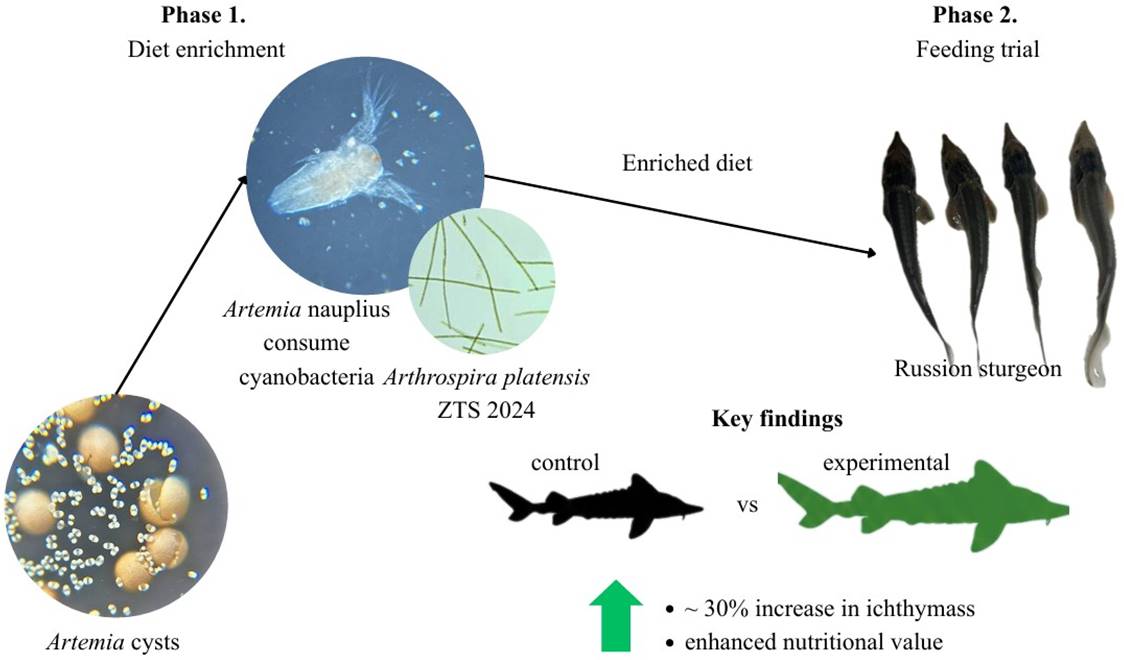
after hatching resulted in an approximately 30% increase in ichthyomass
compared with the control group. These findings clearly demonstrate that,
during early ontogeny, nutritional quality is a decisive factor governing
growth performance and physiological development.
The observed increase in size heterogeneity (coefficient of
variation) within the group receiving enriched feed further reflects
intensified individual growth rates under conditions of improved nutrition. A
key prerequisite for consistent results was the maintenance of controlled
environmental and sanitary conditions during Artemia cultivation.
Specific measures, including population density optimization and the timely
removal of cyst debris via flotation, effectively minimized pathogenic risks
and improved naupliar viability.
One limitation of the present study is the absence of a
comprehensive nutrient profile, particularly detailed analyses of fatty acid
composition (DHA, EPA, and ARA) and amino acid profiles, as well as the lack of
direct measurements of digestive enzyme activity and immune parameters. Despite
these, the consistently positive results obtained across multiple parameters
confirm the high nutritional value of Arthrospira platensis ZTS-2024
based enrichment. The proposed bioencapsulation strategy represents an environmentally
sustainable and economically viable approach for improving larval quality and
reducing early mortality in sturgeon aquaculture. Future research should
therefore focus on integrated lipidomic and amino acid assessments, evaluation
of gastrointestinal physiology and immune responses, and validation of
long-term effects under commercial hatchery conditions.
Acknowledgments
This research has been funded by the Science Committee of
the Ministry of Science and Higher Education of the Republic of Kazakhstan
(Grant No. AP23485416). The results shown in Figure 9 were obtained under
project 2022E01032 under the Shanghai Cooperation Organization program.
Conflict of Interest
There are no conflicts to declare.
Supporting Information
Not applicable.
CRediT Statement
All authors contributed to the preparation of the final
version of the manuscript and approved its content. Kenzhegul Bolatkhan:
Conceptualization, Methodology, Investigation, Data curation, Writing – Original
draft. Damys Salauat: Investigation, Formal analysis, Data curation, Visualization.
Saule M. Shalgimbayeva: Methodology, Investigation, Validation. Nurzia
R. Akmukhanova: Formal analysis, Data curation, Visualization. Bolatkhan
K. Zayadan: Conceptualization, Methodology, Project administration, Supervision,
Writing – Review & editing. Aidana Askar: Investigation, Data
curation. Mehmet Gökoğlu: Conceptual guidance, Methodological
support, Writing – Review & editing.
References
[1]
P. Bronzi, H. Rosenthal, Present and future sturgeon and caviar production and
marketing: a global market overview, Journal of
Applied Ichthyology, 2014, 30, 1536-1546, doi:
10.1111/jai.12628.
[2]
M. S. Chebanov, E. V. Galich, Sturgeon Hatchery Manual, FAO Fisheries and Aquaculture Technical Paper,
Rome, 2013, 558, 1–7, ISBN 978-92-5-106823-6.
[3]
J. Gessner, J. Freyhof, M. Kottelat, Acipenser gueldenstaedtii, The IUCN Red List of Threatened Species, 2022, doi:10.2305/IUCN.UK.2022-1.RLTS.T232A135063140.en.
[4]
A. G. J. Tacon, M. Metian, Feed matters: satisfying the feed demand of
aquaculture, Reviews in Fisheries Science &
Aquaculture, 2015, 23, 1-10, doi:
10.1080/23308249.2014.987209.
[5] G. I. Ruban, Adaptive ecological and
morphological features of the Siberian sturgeon (acipenser baerii Brandt), Inland Water Biology, 2019, 12, 210-216, doi:
10.1134/S1995082919020135.
[6] G. Chandra, D. Fopp-Bayat, Trends in
aquaculture and conservation of sturgeons: a review of molecular and
cytogenetic tools, Reviews
in Aquaculture, 2021, 13,
119-137, doi: 10.1111/raq.12466.
[7] A. S. University, N. V. Sudakova, E.
V. Mikodina, L. M. Vasilyeva, A. S. University, Sturgeon (Acipenseridae)
artificial reproduction paradigm changeover under conditions of natural stock
deficit of sturgeon in the Volga-caspian basin (review), Sel’skokhozyaistvennaya Biologiya, 2018, 53, 698-711, doi:
10.15389/agrobiology.2018.4.698eng.
[8] J. Dhont, K. Dierckens, J. Støttrup,
G. Van Stappen, M. Wille, P. Sorgeloos, Rotifers, Artemia and copepods as live
feeds for fish larvae in aquaculture, Advances in Aquaculture Hatchery Technology, 2013, 157-202, doi:
10.1533/9780857097460.1.157.
[9]
C. S. Velu, B. Czeczuga, N. Munuswamy, Carotenoprotein complexes in
entomostracan crustaceans (Streptocephalus dichotomus and Moina micrura), Comparative Biochemistry and Physiology Part B: Biochemistry and Molecular Biology, 2003, 135,
35-42, doi: 10.1016/S1096-4959(03)00053-8.
[10]
L. E. C. Conceição, M. Yúfera, P. Makridis, S. Morais, M. T. Dinis, Live feeds
for early stages of fish rearing, Aquaculture
Research, 2010, 41, 613-640, doi:
10.1111/j.1365-2109.2009.02242.x.
[11]
K. Hamre, M. Yúfera, I. Rønnestad, C. Boglione, L. E. C. Conceição, M.
Izquierdo, Fish larval nutrition and feed formulation: knowledge gaps and
bottlenecks for advances in larval rearing, Reviews
in Aquaculture, 2013, 5, 26-58, doi:
10.1111/j.1753-5131.2012.01086.x.
[12]
E. Gisbert, Advances in the larval rearing of Siberian sturgeon, Journal of Fish Biology, 2002, 60,
1071-1092, doi: 10.1006/jfbi.2002.2000.
[13]
D. R. Tocher, Fatty acid requirements in ontogeny of marine and freshwater
fish, Aquaculture Research, 2010, 41,
717-732, doi: 10.1111/j.1365-2109.2008.02150.x.
[14]
H. R. Pourali Fashtomi, M. Mohseni, Survival and growth of larval and juvenile
Persian sturgeon (Acipenser persicus) using formulated diets and live food, Journal of Applied Ichthyology, 2006, 22,
303-306, doi: 10.1111/j.1439-0426.2007.00974.x.
[15]
H. Yu, J. Kim, C. Lee, Nutrient removal and microalgal biomass production from
different anaerobic digestion effluents with Chlorella species, Scientific Reports, 2019, 9, 6123, doi:
10.1038/s41598-019-42521-2.
[16]
U. O. Enwereuzoh, K. G. Harding, M. Low, Fish farm effluent as a nutrient
source for algae biomass cultivation, South African
Journal of Science, 2021, 117, doi: 10.17159/sajs.2021/8694.
[17]
F. Ahmad Ansari, P. Singh, A. Guldhe, F. Bux, Microalgal cultivation using
aquaculture wastewater: Integrated biomass generation and nutrient remediation,
Algal Research, 2017, 21,
169-177, doi: 10.1016/j.algal.2016.11.015.
[18]
S. K. Sandybayeva, B. D. Kossalbayev, B. K. Zayadan, J. Kopecký, A. B.
Kakimova, K. Bolatkhan, S. I. Allakhverdiev, Isolation, identification and
pigment analysis of novel cyanobacterial strains from thermal springs, Plants, 2024, 13, 2951, doi:
10.3390/plants13212951.
[19]
T. A. Militz, R. D. Braley, P. C. Southgate, Factors influencing the capacity
for pediveliger larvae of the giant clam, Tridacna noae, to ingest and digest
cells of microalgae concentrates, Aquaculture,
2021, 533, 736121, doi: 10.1016/j.aquaculture.2020.736121.
[20]
A. Niccolai, G. Chini Zittelli, L. Rodolfi, N. Biondi, M. R. Tredici,
Microalgae of interest as food source: Biochemical composition and
digestibility, Algal Research, 2019, 42,
101617, doi: 10.1016/j.algal.2019.101617.
[21]
A. K. Sadvakasova, B. D.
Kossalbayev, A. I. Token, M. O. Bauenova, J. Wang, B. K. Zayadan, H. Balouch,
S. Alwasel, Y. K. Leong, J.-S. Chang, S. I. Allakhverdiev, Influence of Mo and
Fe on photosynthetic and nitrogenase activities of nitrogen-fixing cyanobacteria
under nitrogen starvation, Cells, 2022, 11,
904, doi:10.3390/cells11050904.
[22]
Malcolm Jobling, National Research Council,
Nutrient Requirements of Fish and Shrimp, The National Academies
Press, Washington, DC, 2011, 57-102, ISBN - 978-0-309-16338-5.
[23]
S. Timirkhanov, B. Chaikin, Z. Makhambetova, A. Thorpe, R. van Anrooy, The
Current Status of Capture Fisheries and Aquaculture, in Fisheries and
Aquaculture in the Republic of Kazakhstan: A Review, FAO Fisheries and Aquaculture Circular 1030/2, Food and
Agriculture Organization of the United Nations, Rome, 2010, 45-68, ISBN
978-92-5-106569-3.
[24]
R. A. Soni, K. Sudhakar, R. S. Rana, Spirulina–From growth to nutritional
product: a review, Trends in Food Science &
Technology, 2017, 69, 157-171, doi:
10.1016/j.tifs.2017.09.010.
[25] A. A. Alrasheedi, A. I. Basnawi, M. A. Althaiban, Effects of
Spirulina platensis microalgae on renal function and antioxidant defence in
rats with streptozotocin-induced diabetes, Journal
of Functional Foods, 2024, 122, 106485, doi:
10.1016/j.jff.2024.106485.
[26] S. El-Moataaz, H. Ismael, S. Aborhyem, Assessment of chemical
composition of spirulina platensis and its effect on fasting blood glucose and
lipid profile in diabetic rats, Journal of High
Institute of Public Health, 2019, 198-209, doi:
10.21608/jhiph.2019.64463.
[27]
C. Romay, J. Armesto, D. Remirez, R. González, N. Ledon, I. García, Antioxidant
and anti-inflammatory properties of C-phycocyanin from blue-green algae, Inflammation Research, 1998, 47, 36-41,
doi: 10.1007/s000110050256.
[28]
Q. Wu, L. Liu, A. Miron, B. Klímová, D. Wan, K. Kuča, The antioxidant,
immunomodulatory, and anti-inflammatory activities of Spirulina: an overview, Archives of Toxicology, 2016, 90,
1817-1840, doi: 10.1007/s00204-016-1744-5.
[29] A. I. Olsen, Y. Olsen, Y. Attramadal, K. Christie, T. H. Birkbeck,
J. Skjermo, O. Vadstein, Effects of short term feeding of microalgae on the
bacterial flora associated with juvenile Artemia franciscana, Aquaculture, 2000, 190, 11-25, doi:
10.1016/S0044-8486(00)00396-3.
[30] M. A. K. Markwell, S. M. Haas, L. L. Bieber, N. E. Tolbert, A
modification of the Lowry procedure to simplify protein determination in
membrane and lipoprotein samples, Analytical
Biochemistry, 1978, 87, 206-210, doi:
10.1016/0003-2697(78)90586-9.
[31]
M. DuBois, K. A. Gilles, J. K. Hamilton, P. A. Rebers, F. Smith, Colorimetric
method for determination of sugars and related substances, Analytical Chemistry, 1956, 28, 350-356,
doi: 10.1021/ac60111a017.
[32]
E. G. Bligh, W. J. Dyer, A rapid method of total lipid extraction and
purification, Canadian Journal of Biochemistry and
Physiology, 1959, 37, 911-917, doi: 10.1139/o59-099.
[33]
P. Sorgeloos, P. Dhert, P. Candreva, Use of the brine shrimp, Artemia spp., in
marine fish larviculture, Aquaculture,
2001, 200, 147-159, doi: 10.1016/S0044-8486(01)00698-6.
[34]
K. Madkour, M. A. O. Dawood, H. Sewilam, The use of artemia for aquaculture
industry: an updated overview, Annals of Animal
Science, 2023, 23, 3-10, doi: 10.2478/aoas-2022-0041.
[35] C. Wiegand, S. Pflugmacher, Ecotoxicological effects of selected
cyanobacterial secondary metabolites a short review, Toxicology and Applied Pharmacology, 2005, 203,
201-218, doi: 10.1016/j.taap.2004.11.002.
[36]
G. W. Latimer, Jr, Official Methods of Analysis of
AOAC International, AOAC Publications, New York, 2023, ISBN-9780197610145.
[37]
A. G. Gornall, C. J. Bardawill, M. M. David, Determination of serum proteins by
means of the biuret reaction, Journal of Biological
Chemistry, 1949, 177, 751-766, doi:
10.1016/S0021-9258(18)57021-6.
[38]
S. K. C. Chang, Y. Zhang, Protein analysis, Food
Analysis, Cham: Springer International Publishing, 2017, 315-331, ISBN-978-3-319-45776-5.
[39]
D. A. T. Southgate, Determination of Food
Carbohydrates, Norwich, Applied Science Publishers, 1976, 178, ISBN
- 9780853346937.
[40]
J. Folch, M. Lees, G. H. Sloane Stanley, A simple method for the isolation and
purification of total lipides from animal tissues, Journal
of Biological Chemistry, 1957, 226, 497-509, doi:
10.1016/S0021-9258(18)64849-5.
[41]
S. Mathew, M. Raman, M. Kalarikkathara Parameswaran, D. P. Rajan, Techniques
used in fish and fishery products analysis, Fish
and Fishery Products Analysis, Springer, Singapore, 2019, 263-360,
ISBN - 978-981-32-9574-2.
[42]
J. Balthrop, B. Brand, R. A. Cowie, J. Danier, J. De Boever, L. de Jonge, F.
Jackson, H. P. S. Makkar, C. Piotrowski, Quality
Assurance for Animal Feed Analysis Laboratories, FAO, Rome, Italy,
2011, 81–90, ISBN - 978-92-5-107050-5.
[43]
H. H. Huss, Quality and quality changes in
fresh fish, Rome, 1995, 24-35, ISBN-92-5-103507-5.
[44]
B. D. Glencross, Exploring the nutritional demand for essential fatty acids by
aquaculture species, Reviews in Aquaculture,
2009, 1, 71-124, doi: 10.1111/j.1753-5131.2009.01006.x.
[45]
L. Senila, E. Kovacs, C. Roman, Chemical characterization, lipid profile, and
volatile compounds in chlorella sp. and spirulina platensis: a promising
feedstock for various applications, Molecules,
2025, 30, 1499, doi: 10.3390/molecules30071499.
[46]
A. C. Guedes, F. X. Malcata, Nutritional value and
uses of microalgae in aquaculture, IntechOpen, 2012, 59–78, ISBN - 978-953-307-974-5.
[47]
S. Méndez-Ancca, R. Pepe-Victoriano, Y. A. Meza, H. H. S. Gonzales, J. L. C.
Aguilar, A. Tejada Cáceres, D. E. Baldarrago Centeno, A. W.
Zambrano-Cabanillas, J. G. Aguilera, Subtidal biodiversity of the Punta de
Coles Marine Reserve, Moquegua, Peru, Journal of
Marine Science and Engineering, 2025, 13, 1400,
doi:10.3390/jmse13081400.
[48]
M. Ma, Q. Hu, Microalgae as feed sources and feed additives for sustainable
aquaculture: Prospects and challenges, Reviews in
Aquaculture, 2024, 16, 818-835, doi: 10.1111/raq.12869.
[49]
C. Hannah, Evaluation of the biochemical composition of four marine algae and
its nutritional value for brine shrimp, IOSR
Journal of Pharmacy and Biological Sciences, 2013, 6, 47-51,
doi: 10.9790/3008-0634751.
[50]
L. H. Gulbrandsen, The emergence and effectiveness of the Marine Stewardship
Council, Marine Policy, 2009, 33,
654–660, doi:10.1016/j.marpol.2009.01.002.
[51]
J. S. Clegg, V. Campagna, Comparisons of stress proteins and soluble
carbohydrate in encysted embryos of Artemia franciscana and two species of
Parartemia, Comparative Biochemistry and Physiology
Part B: Biochemistry and Molecular
Biology, 2006, 145, 119-125, doi: 10.1016/j.cbpb.2006.04.014.
[52]
J. Dhont, P. Sorgeloos, Applications of artemia, Artemia:
Basic and Applied Biology, Dordrecht, Springer Netherlands, 2002,
251-277, ISBN - 978-94-017-0791-6.
Publisher’s Note: Engineered Science Publisher remains neutral with regard to
jurisdictional claims in published maps and institutional affiliations.
Open Access
This article is licensed under a Creative Commons
Attribution-NonCommercial-NoDerivatives 4.0 International, which permits the
use, sharing, adaptation, distribution and reproduction in any medium or
format, as long as appropriate credit to the original author(s) and the source
is given by providing a link to the Creative Commons license. This usage for
commercial purposes is not allowed. If modifications, adaptations or any other
transformation were made, it is not allowed for distribution. The images or other
third-party material in this article are included in the article's Creative
Commons license, unless indicated otherwise in a credit line to the material.
If material is not included in the article's Creative Commons license and your
intended use is not permitted by statutory regulation or exceeds the permitted
use, you will need to obtain permission directly from the copyright holder. To
view a copy of this license, visit
https://creativecommons.org/licenses/by-nc-nd/4.0/.
©The Author(s) 2026.